
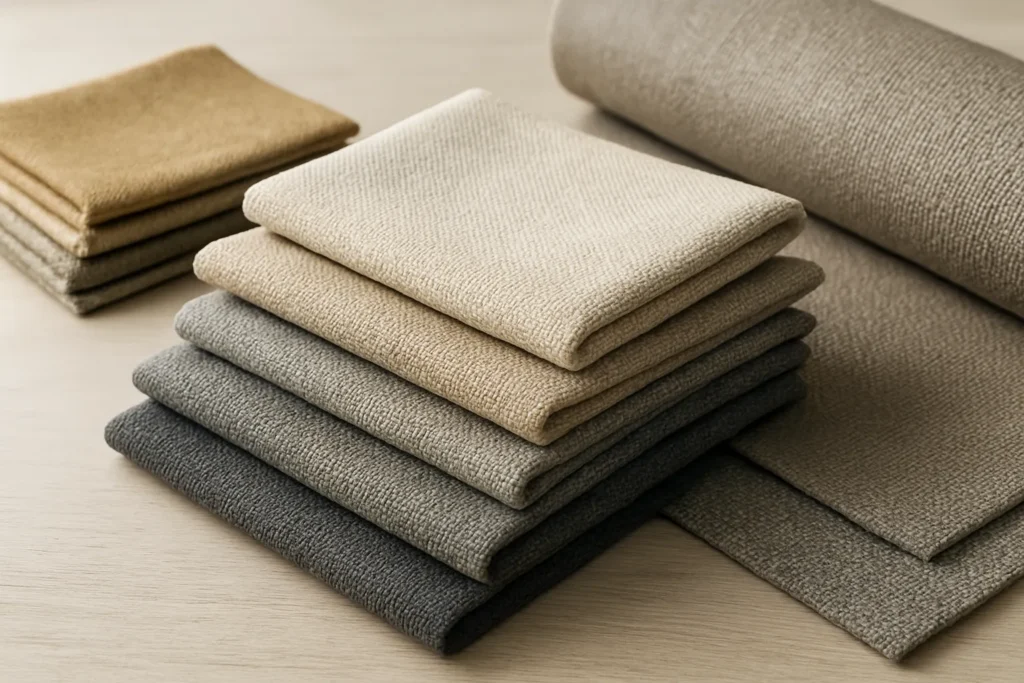
Exploring Durable Upholstery Fabrics: A Guide for Textile Suppliers
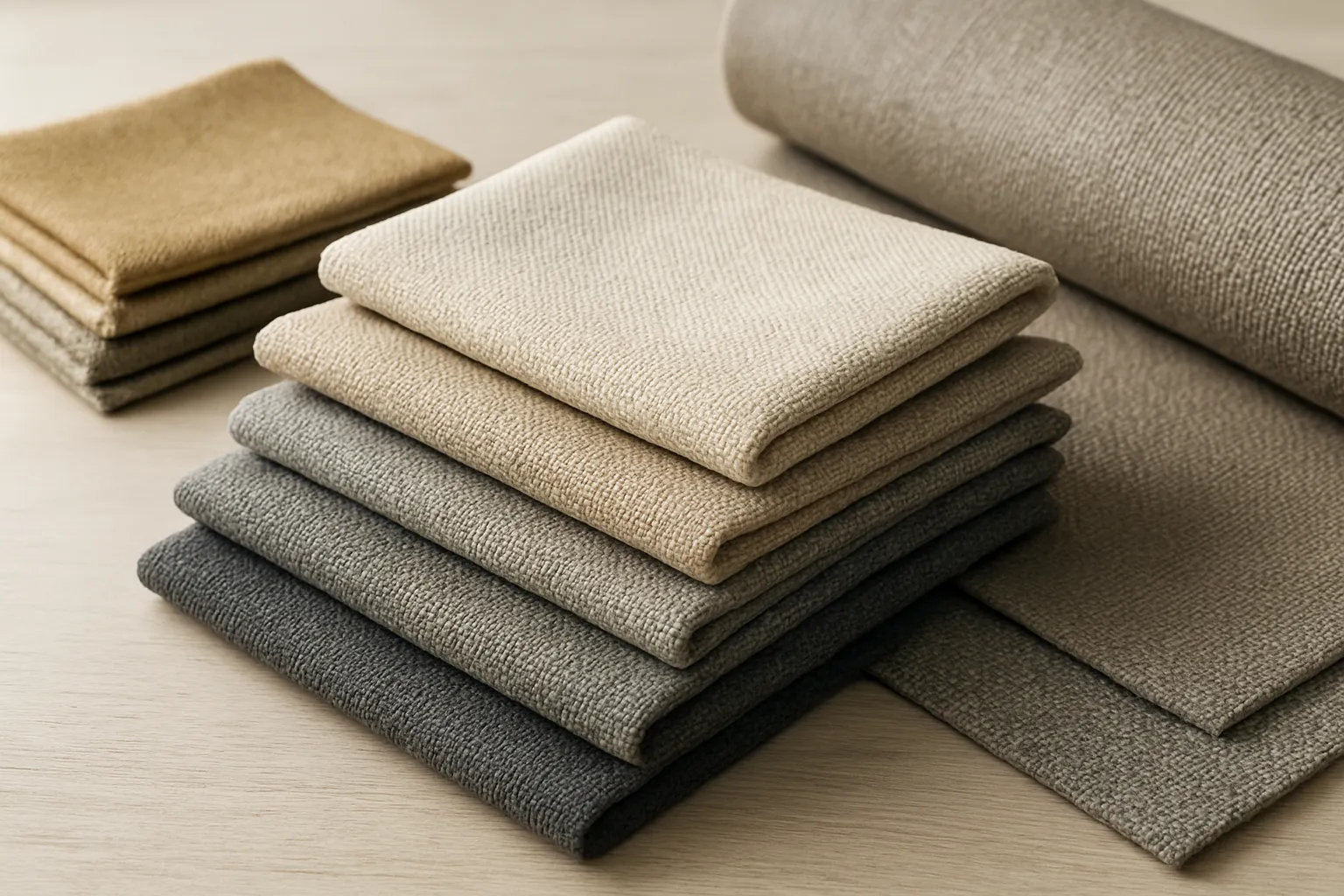
Durable upholstery fabrics are vital in the textile industry, especially for businesses dedicated to providing high-quality furnishings. These fabrics are crafted to endure wear and tear, making them perfect for both commercial and residential uses. The significance of durable upholstery fabrics cannot be overstated, as they greatly contribute to the longevity and aesthetic appeal of furniture.
In recent years, the market for durable upholstery fabrics has surged, fueled by a growing consumer demand for high-performance textiles. There is a noticeable trend toward sustainable materials and innovative manufacturing techniques. This presents bulk textile suppliers with a valuable opportunity to align with shifting customer preferences.
Key Specifications of Durable Upholstery Fabrics
When choosing durable upholstery fabrics, several critical specifications should be taken into account:
- Material Types: Durable upholstery fabrics can be crafted from a variety of materials, including natural fibers like cotton and linen, as well as synthetic options such as polyester and nylon. Each material comes with its own advantages concerning durability, comfort, and ease of maintenance.
- Durability Ratings: Fabrics are typically rated for durability, often gauged by their abrasion resistance and tensile strength. The Martindale test is a common method for evaluating how well a fabric can withstand wear. Fabrics with higher ratings offer greater durability.
- Maintenance Requirements: Understanding the maintenance needs of various fabrics is crucial for bulk textile suppliers. Some fabrics may necessitate specialized cleaning methods, while others can be easily maintained with regular vacuuming and spot cleaning.
Use Cases for Durable Upholstery Fabrics
Durable upholstery fabrics find applications in a wide array of settings:
- Commercial Applications: In commercial environments like hotels, restaurants, and offices, these fabrics are essential for maintaining a professional look while withstanding heavy use. They help create inviting atmospheres that can endure high traffic.
- Residential Applications: Homeowners increasingly opt for durable upholstery fabrics for their furniture, especially in high-traffic areas such as living and family rooms. Fabrics resistant to stains and fading are particularly favored by families with children and pets.
- Specialty Uses: Certain sectors, such as healthcare and automotive, require specialized durable upholstery fabrics that meet specific performance criteria, including antimicrobial properties or resistance to extreme conditions.
Comparing Different Durable Upholstery Fabrics
When evaluating durable upholstery fabrics, it’s essential to consider:
- Natural vs. Synthetic Fabrics: While natural fabrics are often more breathable and comfortable, they may not always provide the same level of durability as synthetic options. On the other hand, synthetic fabrics can offer superior stain and moisture resistance but may lack the aesthetic appeal of natural fibers.
- Performance Metrics: Metrics such as colorfastness, pilling resistance, and flame retardancy should be assessed when selecting upholstery fabrics. These factors ensure that the fabric will meet the specific demands of its intended application.
- Cost Considerations: Budget constraints are a significant factor for many bulk textile suppliers. While synthetic fabrics may have lower initial costs, natural fabrics can offer better long-term value due to their durability and timeless appeal.
Sourcing Durable Upholstery Fabrics
Sourcing high-quality durable upholstery fabrics requires careful planning:
- Identifying Reliable Suppliers: Bulk textile suppliers should prioritize building relationships with reputable manufacturers known for their quality and consistency. Researching supplier backgrounds and reading customer reviews can be beneficial in this process. For a comprehensive range of products, check out the Products – Pujiang Jiajiaku Textile Co., Ltd..
- Bulk Purchasing Strategies: Effective bulk purchasing strategies involve negotiating pricing, exploring volume discounts, and understanding lead times. Suppliers should also consider the advantages of direct sourcing to minimize costs.
- Quality Assurance Processes: Implementing strong quality assurance processes is crucial to ensure that the fabrics meet specified durability standards. Regular inspections and testing can help maintain high-quality offerings.
Implementation of Durable Upholstery Fabrics
Successfully implementing durable upholstery fabrics encompasses several steps:
- Installation Tips: Proper installation techniques can significantly enhance the performance and longevity of upholstery fabrics. Suppliers should offer guidance on best practices for cutting, sewing, and fitting fabrics to furniture.
- Care and Maintenance Guidelines: Providing detailed care instructions is essential for helping customers preserve their upholstery. This includes cleaning recommendations and tips for protecting fabrics from damage.
- Customer Feedback and Adaptation: Collecting customer feedback on fabric performance can inform future product development. Suppliers should be ready to adjust their offerings based on market trends and customer needs.
Frequently Asked Questions
- What Makes a Fabric Durable? A fabric’s durability is determined by its material composition, weave structure, and finishing processes that enhance its resistance to wear and tear.
- How to Choose the Right Fabric for Specific Needs? When selecting upholstery fabrics, consider the intended use, required durability ratings, and maintenance needs. Consulting with textile specialists can also provide valuable insights.
- What are the Best Practices for Bulk Orders? Best practices include establishing clear communication with suppliers, understanding lead times, and ensuring quality checks throughout the ordering process.
In conclusion, durable upholstery fabrics are crucial in the textile industry, offering bulk textile suppliers opportunities to meet diverse customer needs. By understanding the specifications, use cases, and sourcing strategies, suppliers can effectively navigate this growing market and provide high-quality products that stand the test of time. For further insights, refer to this industry reference from AZoM.